Android Strengthens Scam Defenses for Calls and Texts
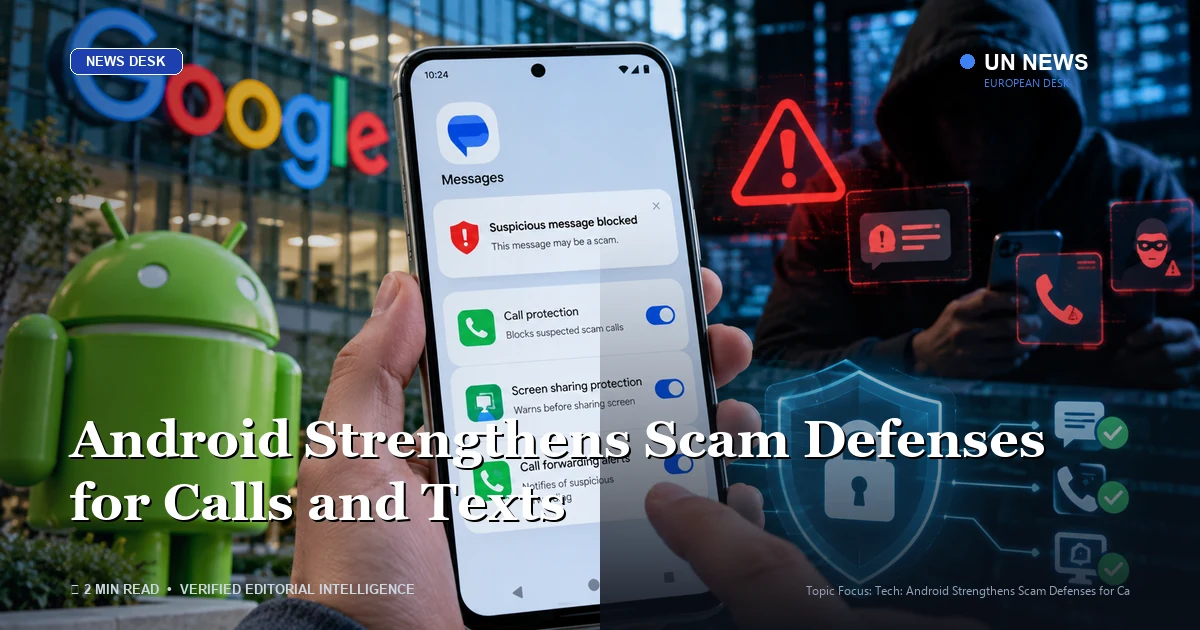
Google's Android operating system has introduced several changes aimed at countering mobile fraud, including enhanced security features for Google Messages, screen sharing, and call forwarding.
Verified Continental Facts & Key Takeaways
- • Google has introduced several changes to its Android operating system to strengthen its defenses against scams and mobile fraud.
- • The updates include enhanced security features for Google Messages, screen sharing, and call forwarding.
- • Google Messages now includes a built-in spam filter to detect and block suspicious messages.
- • Screen sharing and call forwarding have been updated with new security features, including end-to-end encryption.
Key Details
Android, the popular mobile operating system developed by Google, has strengthened its defenses against scams and mobile fraud. The latest updates aim to protect users from various types of malicious activities, including phishing, spoofing, and other forms of cybercrime.
Background and Context
Mobile scams have become a significant concern in recent years, with many users falling victim to phishing attacks, SMS scams, and other types of cyber threats. In response to these growing concerns, Google has introduced several changes to its Android operating system, including enhanced security features for Google Messages, screen sharing, and call forwarding.
Google Messages, the default messaging app on Android devices, has been updated with new features aimed at detecting and preventing scams. The app now includes a built-in spam filter, which can identify and block suspicious messages. Additionally, Google Messages has introduced a new feature that allows users to report suspicious messages, which can help the company's algorithms improve their detection capabilities.
Screen sharing, a feature that allows users to share their screen with others, has also been updated with new security features. Android devices can now share their screen securely, using end-to-end encryption to protect sensitive information. This feature is particularly useful for remote work and online meetings, where users may need to share their screen with colleagues or clients.
Call forwarding, a feature that allows users to forward incoming calls to another number, has also been updated with new security features. Android devices can now forward calls securely, using encryption to protect sensitive information. This feature is particularly useful for users who need to forward calls to a different number, such as a work number or a secondary phone.
Strategic Implications
The introduction of these new security features has significant implications for the mobile industry. By strengthening its defenses against scams and mobile fraud, Google is sending a clear message to users and developers that it is committed to protecting its users' security and privacy. This move is also likely to put pressure on other mobile operating system developers to follow suit, as users become increasingly aware of the importance of mobile security.
Next Steps
The introduction of these new security features is a significant step forward in the fight against mobile scams and cybercrime. However, there is still much work to be done to protect users from these threats. Google and other mobile operating system developers must continue to innovate and improve their security features to stay ahead of the evolving threat landscape.
In addition to these new security features, Google and other mobile operating system developers must also work to educate users about the importance of mobile security. By raising awareness about the risks of mobile scams and cybercrime, users can take steps to protect themselves and their devices. This includes using strong passwords, keeping software up to date, and being cautious when clicking on links or downloading attachments from unknown sources.
In conclusion, the introduction of these new security features is a significant step forward in the fight against mobile scams and cybercrime. By strengthening its defenses against scams and mobile fraud, Google is sending a clear message to users and developers that it is committed to protecting its users' security and privacy. This move is also likely to put pressure on other mobile operating system developers to follow suit, as users become increasingly aware of the importance of mobile security.
NewsFlow produces independent editorial syntheses from verified public reports and wire services, retaining immutable attribution and canonical links to origin publishers.
Related Coverage

Tesla Roadster Fires Up SpaceX Tech for ‘Flying Car’ Demo
I’m no rocket scientist, but I’m not sure the vehicle on display was a fully functional car that a human can drive.
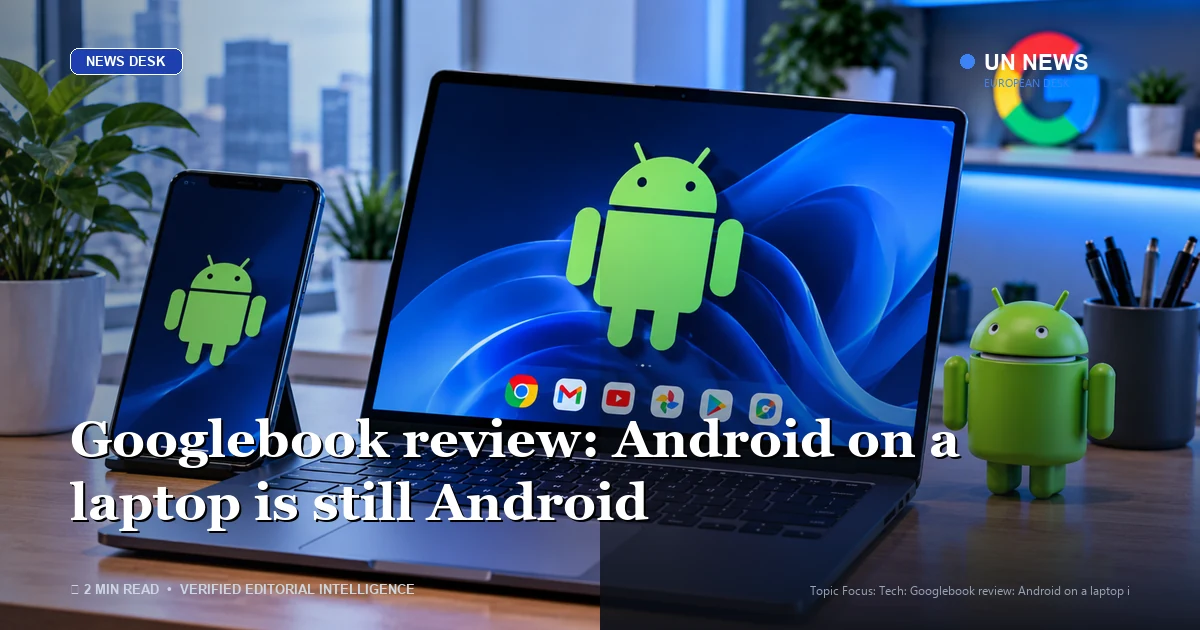
Googlebook review: Android on a laptop is still Android
Despite efforts to adapt Android for laptops, the OS's phone origins are still evident, according to a recent review.

Meetings Under Scrutiny: Science-Backed Advice for Productive Gatherings
Research suggests that listening more and talking less in meetings can lead to more productive outcomes, with a significant impact on global productivity.

Microsoft's Surface Laptop Ultra Exceeds Expectations in AI Performance
The Surface Laptop Ultra has successfully integrated a 70-billion-parameter AI model, outperforming industry expectations, while the PC market experiences a 20 percent drop in shipments.
Reader Discussion 0
Editorial policy requires all submissions to be reviewed for civility and authenticity prior to publication.
Leave a Comment
No account required. Your email address, if provided, is kept strictly confidential and will never be published.