๐Ÿ“ฐ News Mode โœจ Magazine
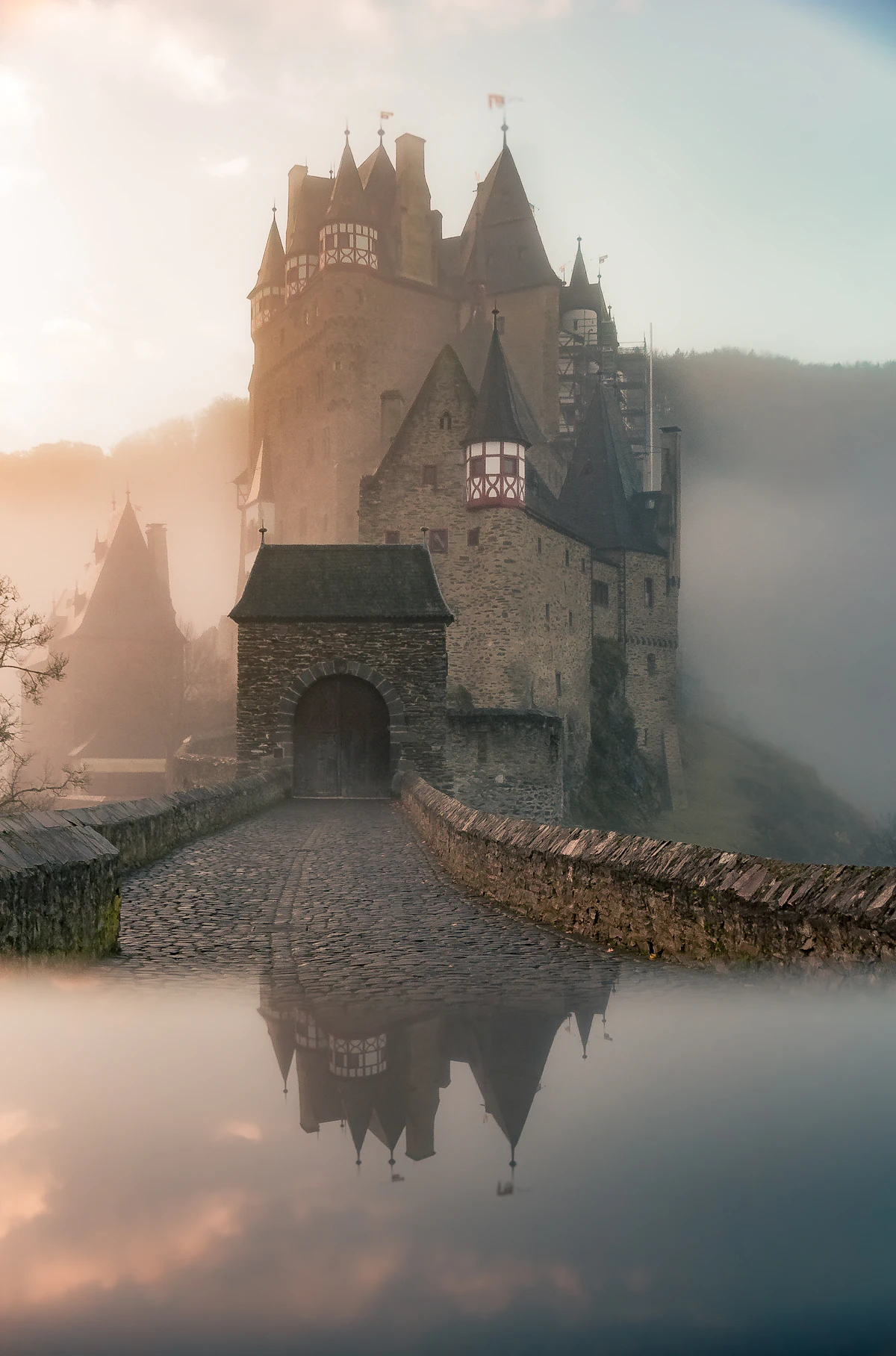
Bran Castle in Transylvania surrounded by autumn forest and mist
๐Ÿ“œ Folklore (Transylvanian & Wallachian Lore) Tradition: Transylvanian & Wallachian Lore โ€ข 2 min immersion

The Shadows of Bran Castle: Transylvanian Vampire Lore and Medieval Realities

Perched atop a 200-foot precipice in the Carpathian Mountains, Bran Castle has haunted European folklore for centuries. But where does historical Wallachian sovereignty end and the nocturnal mythos begin?

NewsFlow Special Editorial โ€ข September 26, 2026
Cover Image: Romanian Heritage Photographic Archive
๐Ÿ“œ
Editorial Distinction: This feature presents traditional folklore, cultural myths, and storytelling lore. It is curated as cultural heritage and literary narrative, distinguished from verified current news reporting.
Perched atop a 200-foot precipice in the Carpathian Mountains, Bran Castle has haunted European folklore for centuries. But where does historical Wallachian sovereignty end and the nocturnal mythos begin?

"The stones of the Carpathians remember every siege, but the villagers remember the whispering wind that came after the siege ended."

โ€” Radu Florescu, Carpathian Ethnographic Historian

Perched precariously upon a granite precipice high above the Rucฤƒr-Bran pass, Bran Castle casts an arresting, melancholic silhouette across the rolling pine forests of Transylvania.

The Stone Fortress of the Carpathians

Constructed in 1377 by the Saxon burghers of Kronstadt (modern Braศ™ov) under a royal decree by King Louis I of Hungary, the citadel served as an impenetrable defensive bulwark against Ottoman expansion.

Yet long before Victorian novelist Bram Stoker linked this jagged stronghold with Count Dracula, local Romanian folklore spoke of the Strigoi: tormented souls that rise after dusk, wandering the mist to siphon vitality from the living.

Vlad the Impaler: Sovereign and Myth

Historical records reveal that Vlad III Dracula, Voivode of Wallachia, maintained a complex relationship with the fortress. Imprisoned briefly within its towers by Hungarian monarch Matthias Corvinus in 1462, Vladโ€™s ferocious reputation for impaling corrupt boyars and invading Ottoman garrisons catalyzed centuries of literary embellishment.

Villagers in neighboring villages still preserve customs dating back six centuries. At twilight, garlic cloves are traditionally crushed above wooden barn doorways, and hearths are banked with hawthorn woodโ€”rituals born of an enduring respect for nocturnal terrors.

Living Folklore in Modern Romania

Today, anthropologists from the University of Bucharest study how Transylvanian oral traditions preserved these legends through Ottoman, Habsburg, and Communist rule. The supernatural tales were not merely ghost stories; they served as moral metaphors, historical parables, and communal defenses against existential uncertainties.
Contextual Intelligence

Archival Dossier & Verified Context

๐Ÿ“Œ Charter of Braศ™ov (1377)

Original Latin decree granting the Saxon townspeople the right to construct the stone fortress at their own expense in exchange for customs duty exemptions.

๐Ÿ“Œ Strigoi Ethnography Record

Transylvanian folk belief detailing rituals of grave protection documented by the Imperial Habsburg Geographical Institute in 1841.

Key Documented Facts

  • โ€ข Bran Castle was officially commissioned in 1377 by King Louis I of Hungary.
  • โ€ข Vlad III Dracula was held in the fortress during the military retreat of 1462.
  • โ€ข The strigoi tradition predates Victorian vampire literature by at least three centuries.
Editorial Accountability

Sources & Reference Citations

Verification Status: Verified
๐Ÿ“ข Share this feature:
๐• Post in Share
Prefer the standard news layout?
Switch to the fast, clean European news reporting format anytime.
โ† Read in Standard News Mode
Recommended Reading

Related Magazine Features