Unveiling the Rich Tapestry of English Folklore
English folklore is a treasure trove of myths, legends, and cultural heritage, shaped by the country's complex history and diverse influences.
Verified Continental Facts & Key Takeaways
- • English folklore is a treasure trove of myths, legends, and cultural heritage.
- • The stories within English folklore often convey themes of justice, morality, and the human condition.
- • English folklore has been shaped by the historical experiences of the English people, influenced by various cultures that have settled in England over centuries.
- • The preservation and celebration of English folklore are crucial for understanding the country's cultural identity and heritage.
Key Details
The stories within English folklore often convey themes of justice, morality, and the human condition, reflecting the country's rich cultural heritage. These tales have been shaped by the historical experiences of the English people, influenced by the various cultures that have settled in England over centuries.
Background and Context
English folklore consists of the myths and legends of England, including the region's mythical creatures, traditional recipes, urban legends, proverbs, superstitions, dance, balladry, and folktales. This body of folklore includes a diverse array of characters, such as heroic figures like Beowulf or Robin Hood, legendary kings like Arthur, and mythical creatures like the Green Man and Black Shuck. These tales and traditions have been shaped by the historical experiences of the English people, influenced by the various cultures that have settled in England over centuries.
Strategic Implications
The preservation and celebration of English folklore are crucial for understanding the country's cultural identity and heritage. Efforts to promote and protect this rich cultural legacy are essential for maintaining the country's unique cultural identity and promoting cross-cultural understanding. Furthermore, the study of English folklore can provide valuable insights into the country's historical experiences, cultural influences, and the human condition.
What Happens Next
As the study and celebration of English folklore continue to evolve, it is essential to recognize the importance of preserving and promoting this rich cultural heritage. This can be achieved through various means, such as educational programs, cultural events, and the preservation of traditional practices and customs. By doing so, future generations can continue to appreciate and learn from the stories and traditions that have been passed down through generations.
✦ Editorial Story Scenes & Visual Chapters
1 Visual Moments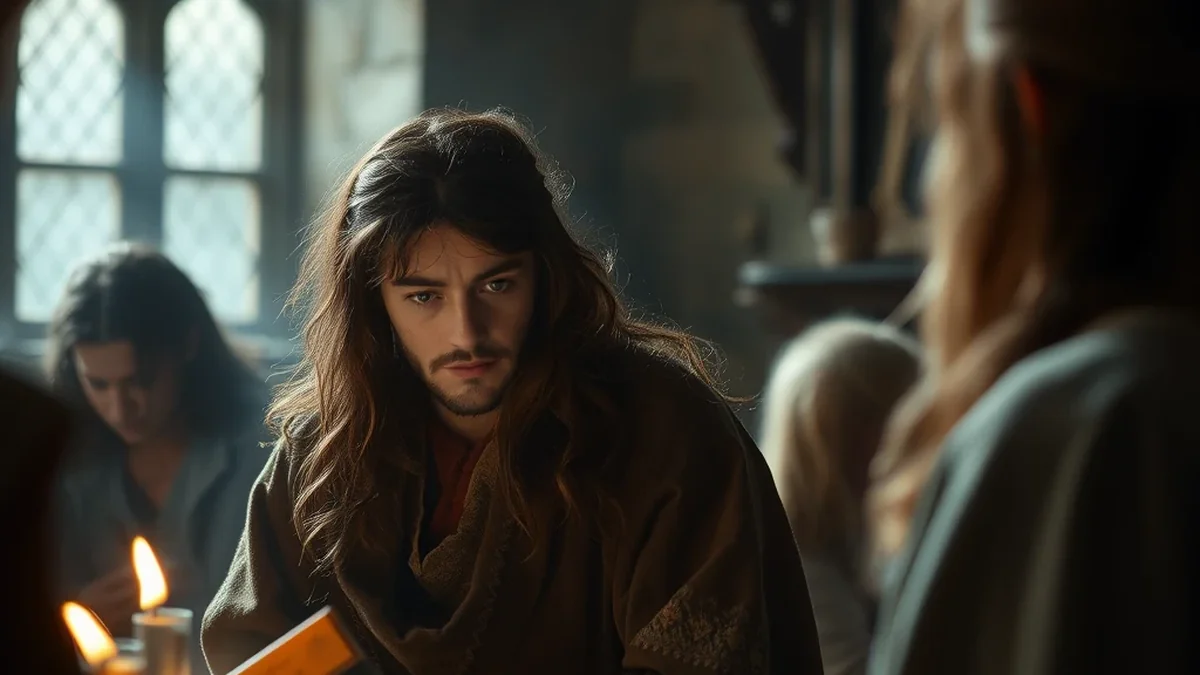 Scene 1
16:9 Visual
Scene 1
16:9 Visual
Narrative Phase 1
Editorial moment: Unveiling the Rich Tapestry of English Folklore
The stories within English folklore often convey themes of justice, morality, and the human condition, reflecting the country's rich cultural heritage. These tales have been shaped by the historical experiences of the English people, influenced by the various cultures that have settled in England ov
NewsFlow produces independent editorial syntheses from verified public reports and wire services, retaining immutable attribution and canonical links to origin publishers.
Related European Coverage
UK's Most Haunted Pubs Attract Beer Enthusiasts
Recent disclosure highlights the UK's top 10 haunted pubs, sparking interest in paranormal activity and beer culture.
Norfolk Earns Haunted Reputation Amid UK's Paranormal Hotspots
Recent recognition solidifies Norfolk's position among the UK's most haunted places, sparking interest in local folklore and paranormal activity.

Europe's Spookiest Getaways: 8 Best Halloween Cities
From haunted castles to eerie forests, these European cities offer a unique Halloween experience. Discover the best destinations for a spookiest getaway.
Halloween Travel: Real Dark-History Places
Halloween Travel: Real Dark-History Places Atlas Obscura
Reader Discussion 0
Editorial policy requires all submissions to be reviewed for civility and authenticity prior to publication.
Leave a Comment
No account required. Your email address, if provided, is kept strictly confidential and will never be published.